
 











|
Signature Sponsor


December 13, 2025 - President Donald Trump took Wyoming’s coal industry out from under an economic guillotine Thursday when he scrapped the controversial Buffalo and Miles City resource management plans that would have effectively killed coal mining in the Powder River Basin after 2041. That’s how Wyoming’s Republican congressional delegation describes the importance of Trump signing the Congressional Review Act measure that snuffs the plans members say were politically motivated to end coal.
“To say this is enormous for Wyoming is an understatement, because it not only affects Wyoming, it affects the country as a whole,” U.S. Rep. Harriet Hageman told Cowboy State Daily on Friday. “The sword that was hanging over our coal industry’s head because of this was real.”
Hageman and U.S. Sen. Cynthia Lummis sponsored House Joint Resolution 130, which ended President Joe Biden-era federal land management plans for the PRB. Most notably, the RMPs put a moratorium on coal leases after 2041.
“Radical, unelected environmentalists in the Biden administration drove the Buffalo RMP forward because they hate coal mining and the hard-working people who depend on it,” Lummis said in a statement to Cowboy State Daily.
“This policy had one goal: shutting down coal mining in the Powder River Basin forever,” she added. “Overturning this asinine and costly policy was at the top of my agenda because Wyoming’s coal and energy are essential resources we can’t afford to lose.”
‘The Public Deserves Better’
Not everyone is cheering the death of the Miles City and Buffalo RMPs.
Led by Tracy Stone-Manning — the former director of the Bureau of Land Management under Biden who created the RMPs — The Wilderness Society has been outspoken in favor of the plan, which was put in place under Stone-Manning’s watch.
A message left for Stone-Manning wasn’t returned by publication time, but the organization in a statement says Trump’s signing of the raft of Congressional Review Act bills threatens “to destabilize management of the nation’s public lands.”
The group’s senior legal director, Alison Flint, also said policies like the RMPs are needed to protect the public’s resources.
“Americans deserve public lands that protect clean air and water, support wildlife and preserve the freedom of future generations to explore,” Flint says in the statement. “Instead, the president and Congress have muzzled voices in local communities and tossed aside science-based management plans that would deliver a balanced approach to managing our public lands.”
She also says the repeal of the rules is an example of lawmakers putting development and industry over protecting resources.
“The public deserves better,” she says.
Last month, the Sheridan-based Powder River Basin Resource Council was among more than 100 conservation groups that signed a letter supporting the RMPs, saying that without them there will be “more mistakes, conflict and harmful development.”
A message for PRB Resource Council Executive Director Donna Birkholz wasn’t returned by publication time. 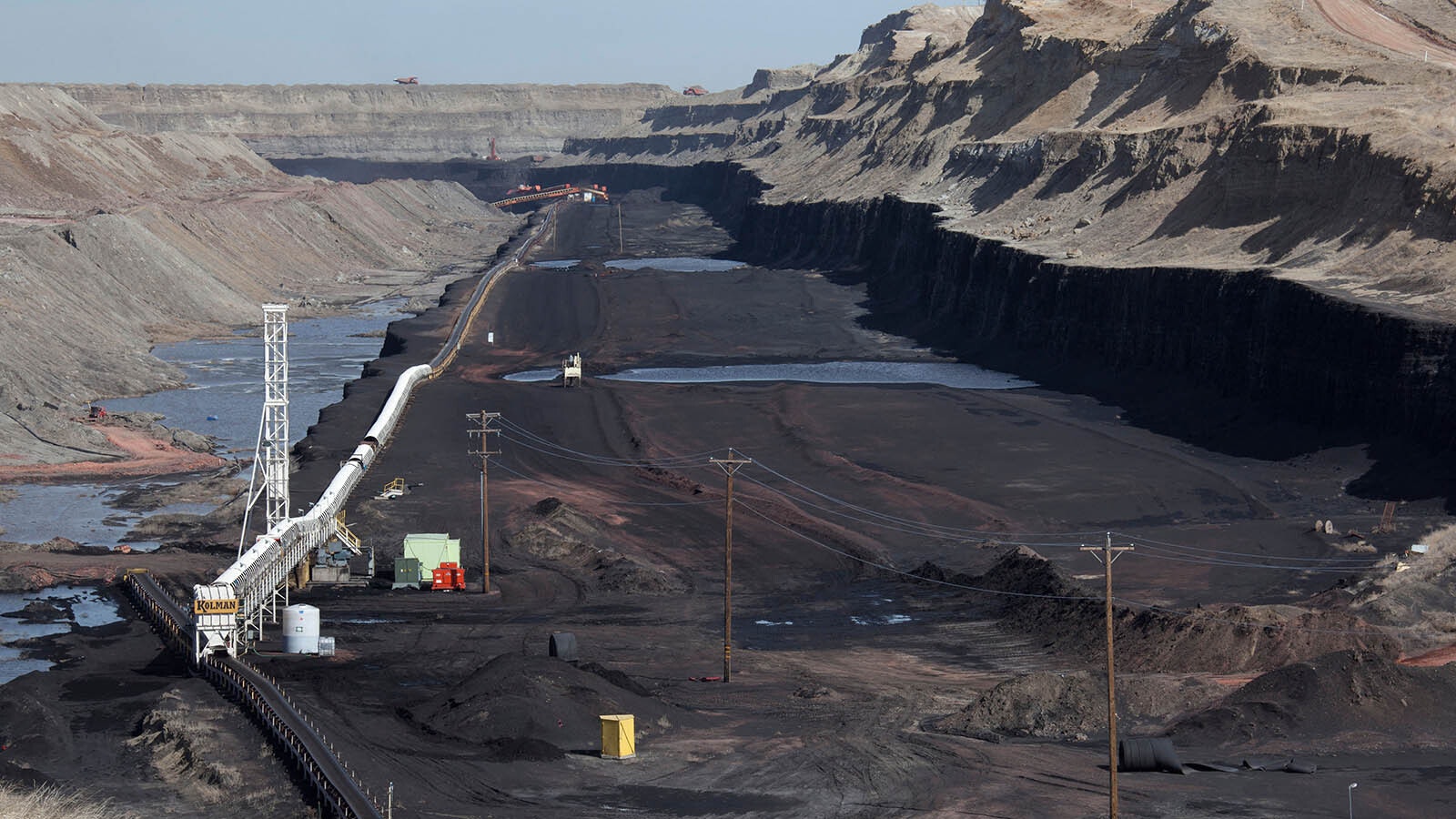 ‘Asinine’The RMPs had nothing to do with conservation and everything to do with politics and “appeasing the climate zealots” like Stone-Manning, Hageman said.
“I truly believe that she thought she was absolutely above the law and that Congress would never be able to undo what she did,” Hageman said.
By using the Congressional Review Act to reverse the policies, future administrations can’t put the RMPs in place again unilaterally, she said.
“I think she was quite surprised that we successfully used the Congressional Review Act to nullify this,” Hageman said. “I would assume that this was one of the most significant rulemakings that took place during the entire Biden administration in terms of furthering their agenda of taking away our affordable and reliable energy.”
Lummis — who was in the Oval Office with Trump, Hageman and U.S. Sen. John Barrasso for the signing — called the signing “a great Christmas present to see this signed into law.” “Wyoming is key to President Trump’s energy dominance agenda, and rolling back this asinine, anti-Wyoming plan is critical for our state’s future.”
The real key to overturning the Miles City and Buffalo RMPs was the 2024 election, Barrasso told Cowboy State Daily on Friday.
“What we needed was a Republican president, a Republican House and a Republican Senate, because Joe Biden would’ve never signed this,” he said, adding that America now has a president who “understands that energy security is national security. If you don’t have energy security, you don’t have a strong nation.”
Passing the bill also was far from a bipartisan, collaborative effort, Barrasso said.
“Of course, the Democrats all voted against it,” he said. “This was not a kumbaya, bipartisan moment in American politics.
“This was an effort by Republicans committed to energy security to make sure we use the energy resources we have in this country.”
AI And Coal
Along with lifting the sword hanging over the Powder River Basin’s coal industry, Thursday’s move also removes a critical obstacle to America’s push to develop artificial intelligence databases that require huge amounts of power, said Travis Deti, executive director of the Wyoming Mining Association.
Although the kill switch on coal leasing in the Powder River Basin in the RMPs was 2041, the reality was it was immediate, Deti said.
“When utilities are making their plans, they look long-term,” he said. “They don’t just look a year out, they look out 10 years or more. If you take a fuel source off the table, they’re obviously going to look somewhere else.”
Hageman agrees, saying that having a moratorium also impacted mines and supporting industries in getting loans and buying new equipment. That’s because nobody wants to invest in a business with a “die by” date on it.
“They’re not going to be able to expand their operations because of this moratorium, and that was the intent, she said. “The folks who did this knew that very well, and they tried to hide behind the fig leaf that this isn’t going to happen until farther down the road.”
The AI race is already lost if the PRB isn’t producing coal to help power it, Deti said.
“We can’t keep up with the demand (for power) we have right now, so you’re going to need going forward the American coal fleet to help power that upcoming demand for artificial intelligence data centers,” he said.
Barrasso said that even in some politically liberal circles, there’s a realization that America can’t keep up with or compete with China on AI without coal to provide a significant amount of that power.
“We need to make sure that we can continue to produce American energy in this battle for artificial intelligence with China,” he said. “You need the energy to power the computers, and even The New York Times said that five years from now, the amount of energy we’re going to need is going to be like adding a whole new California to the grid.”
The Buffalo and Miles City RMPs were “Joe Biden putting our head in the noose in terms of choking off America’s energy,” Barrasso said. “What Biden did would be completely surrendering our future to China.” 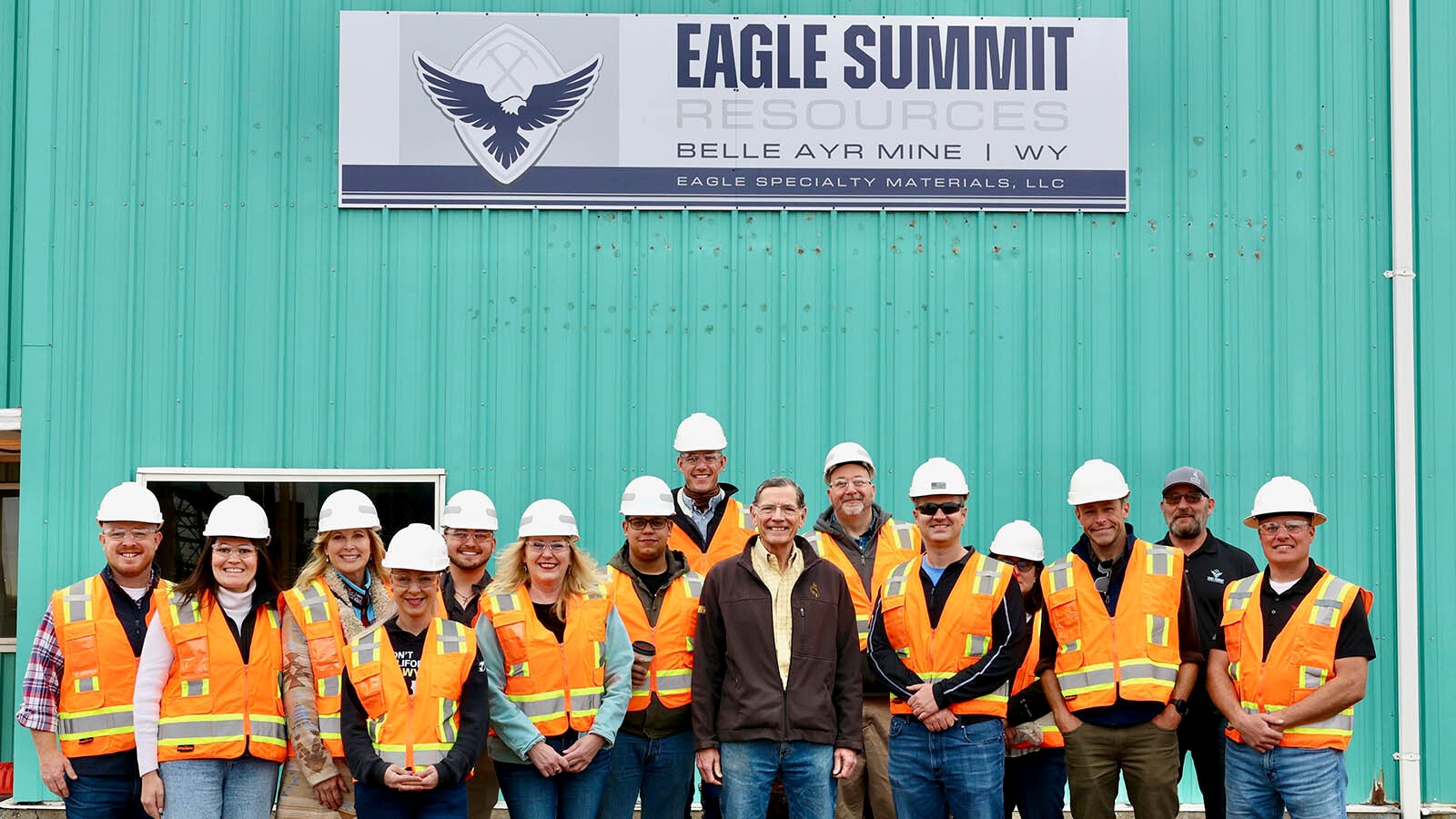
From The PRB
There’s nobody more pleased and relieved with the Thursday bill signing than the coal workers and their families in the Powder River Basin, said Rusty Bell, CEO of Gillette-based Energy Capital Economic Development.
“I think what this does is it gives us maybe some more federal support for coal leasing, mineral leasing in the PRB in the future,” he said.
That’s a 180-degree turn from feeling like the feds want to put you out of work, Bell added. “It just didn’t make sense to put a moratorium on leasing coal past 2041,” he said. “That’s telling the free market that after then, the most affordable and plentiful resource there is, you just can’t have it.” He said that the only moratorium should be what the free market sets. If coal needs to be phased out, “the market will do it.”
As for the Buffalo RMP, which covered the PRB in Wyoming, “it’s a relief to see that gone, and maybe it can be a symbol to future administrations to just let the market work the way the market works.” Barrasso said that was part of the message he got from PRB coal workers when he visited the Belle Ayr Mine south of Gillette last month. |









|