







|
Signature Sponsor


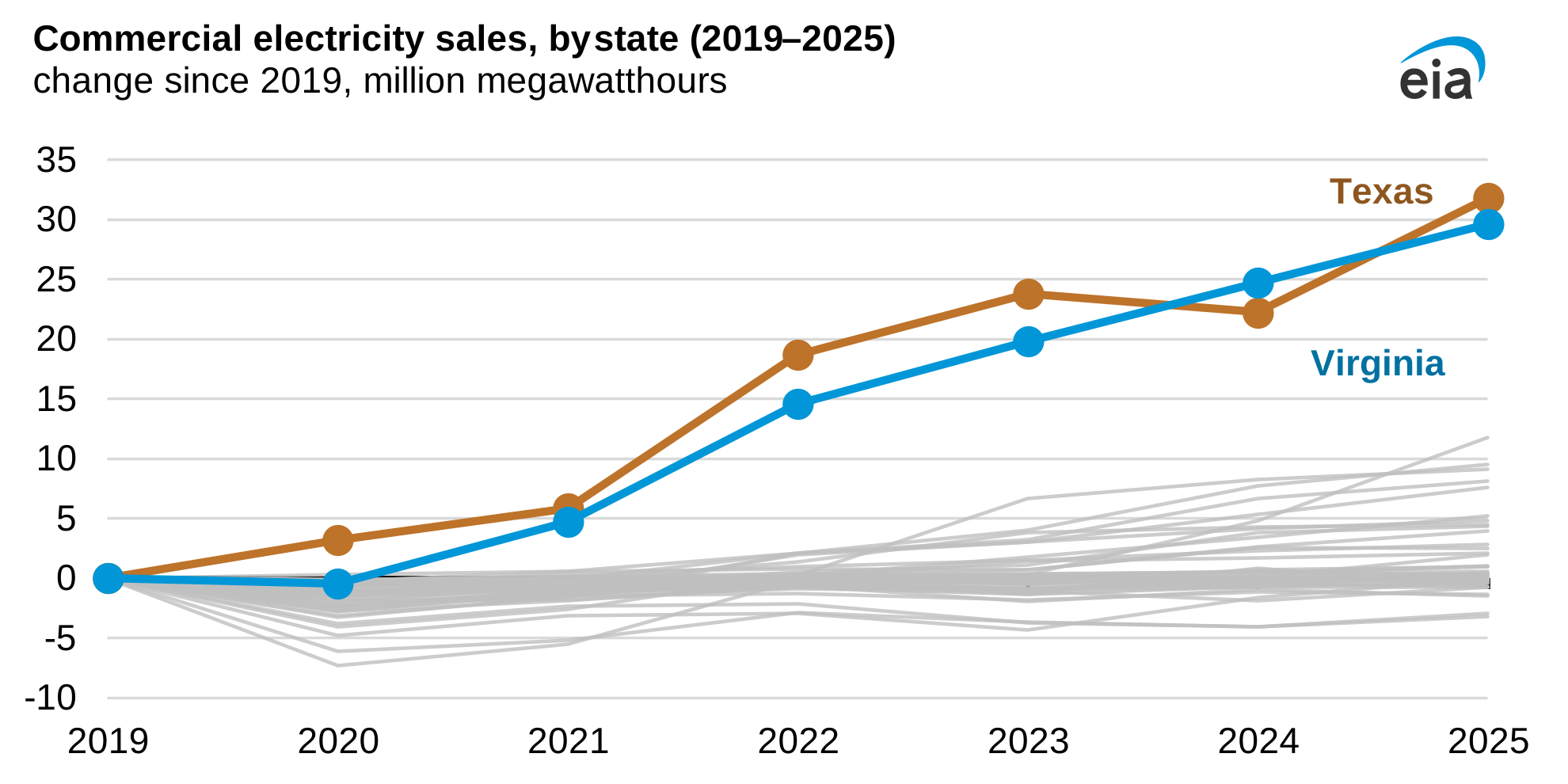
May 5, 2026 - Commercial electricity sales in Virginia increased by nearly 30.0 million megawatthours (MWh) between 2019 and 2025, much faster growth than in any other state except Texas, a much larger state, according to our Annual Electric Power Industry Report. The growth in sales of electricity in Virginia is largely driven by a concentration of data centers, as well as electric vehicle adoption and building electrification.
Data source: U.S. Energy Information Administration, EIA-861, Annual Electric Power Industry Report, October 2025, final data for 2019–24, and EIA-861M (formerly EIA-826), Monthly Electric Power Industry Report, February 2026, preliminary data for 2025
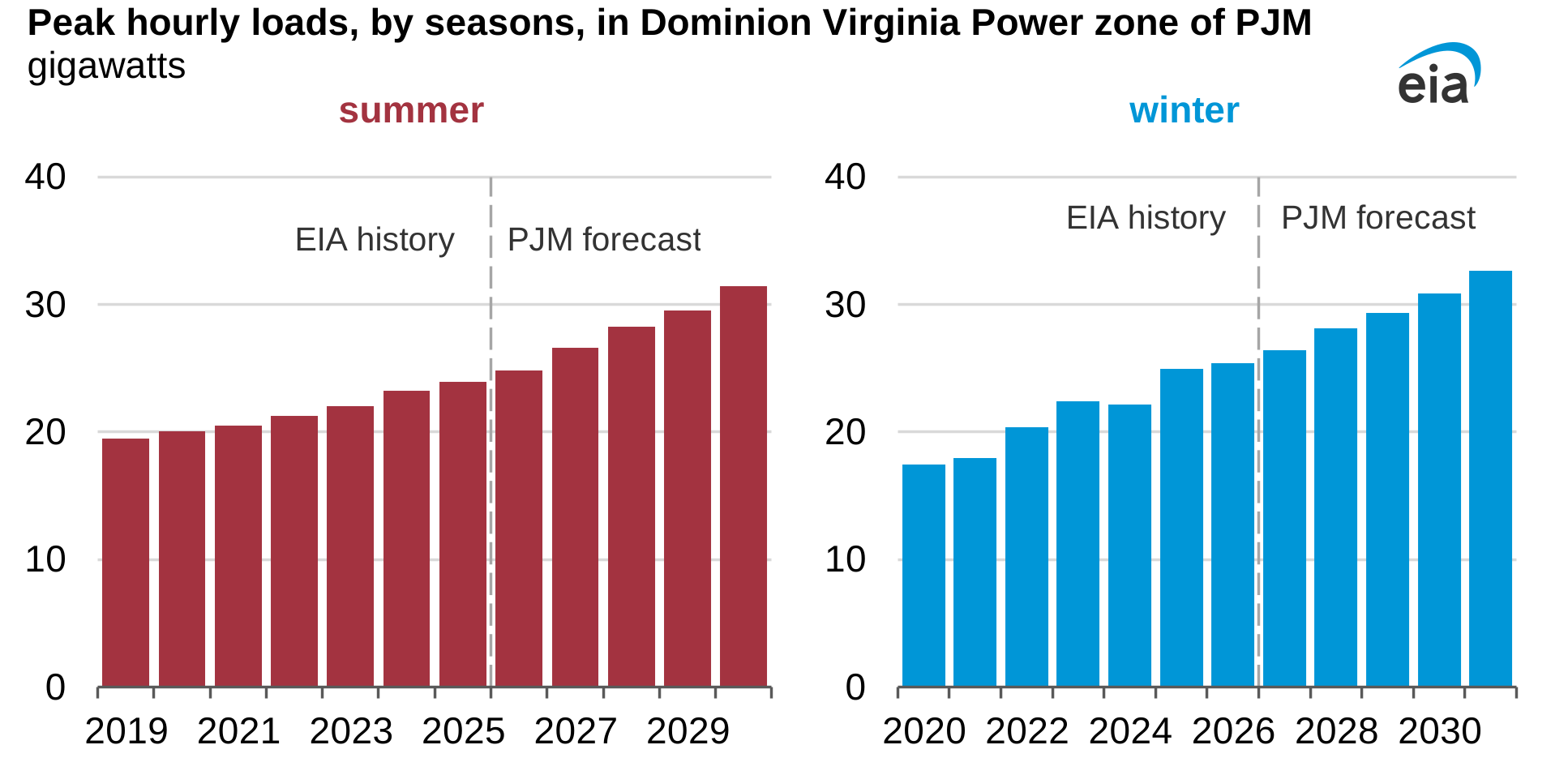
Electricity sales refer to the delivery of energy from load serving entities (LSEs), which are mostly utilities, to final consumers. However, LSEs must have sufficient resources and reserves to be able to respond to hourly, daily, and seasonal spikes in customer demand against the backdrop of a steadily growing energy need in their service territory and extreme weather events. Peak load—a snapshot of maximum load in megawatts (MW)—denotes the instantaneous or single highest peak in a day, month, or season, even if it only lasts for 15 minutes. Earlier this year, PJM Interconnection (PJM), the regional transmission organization (RTO) that operates the electrical grid across 13 states in the mid-Atlantic and the District of Columbia, announced its 2026 Long-Term Load Forecast Report, with forecasts for each of its transmission zones. PJM expects the Dominion zone, which covers Virginia, to experience the largest absolute increase in summer peak demand in the period 2026 through 2030, largely because of the growth in data center load. PJM’s Dominion zone currently serves the largest concentration of data centers in the world—a hotspot for data centers largely because of its fiber optic connectivity, land availability, and power infrastructure.
Data source: U.S. Energy Information Administration, EIA-930, Hourly Electric Grid Monitor; 2026 PJM Load Forecast Report, Dominion Virginia Power zone, Tables B1 and B2
Note: Summer includes June, July, and August. Winter includes December, January, and February. EIA’s Hourly Electric Grid Monitor only captures generating units that are managed by a balancing authority and generating units with operations visible to a balancing authority. Summer peak load in PJM’s Dominion zone was 23,905 MW in 2025, 23% higher than in 2019; similarly, winter peak load in PJM’s Dominion zone was 25,413 MW in the 2025–26 winter season, 45% higher than in the 2019–20 winter season. PJM expects peak summer load will grow at an average of 5.4% per year over the next 10 years, a downward revision from the 6.3% it projected in its 2025 forecast. What peak demand tells us
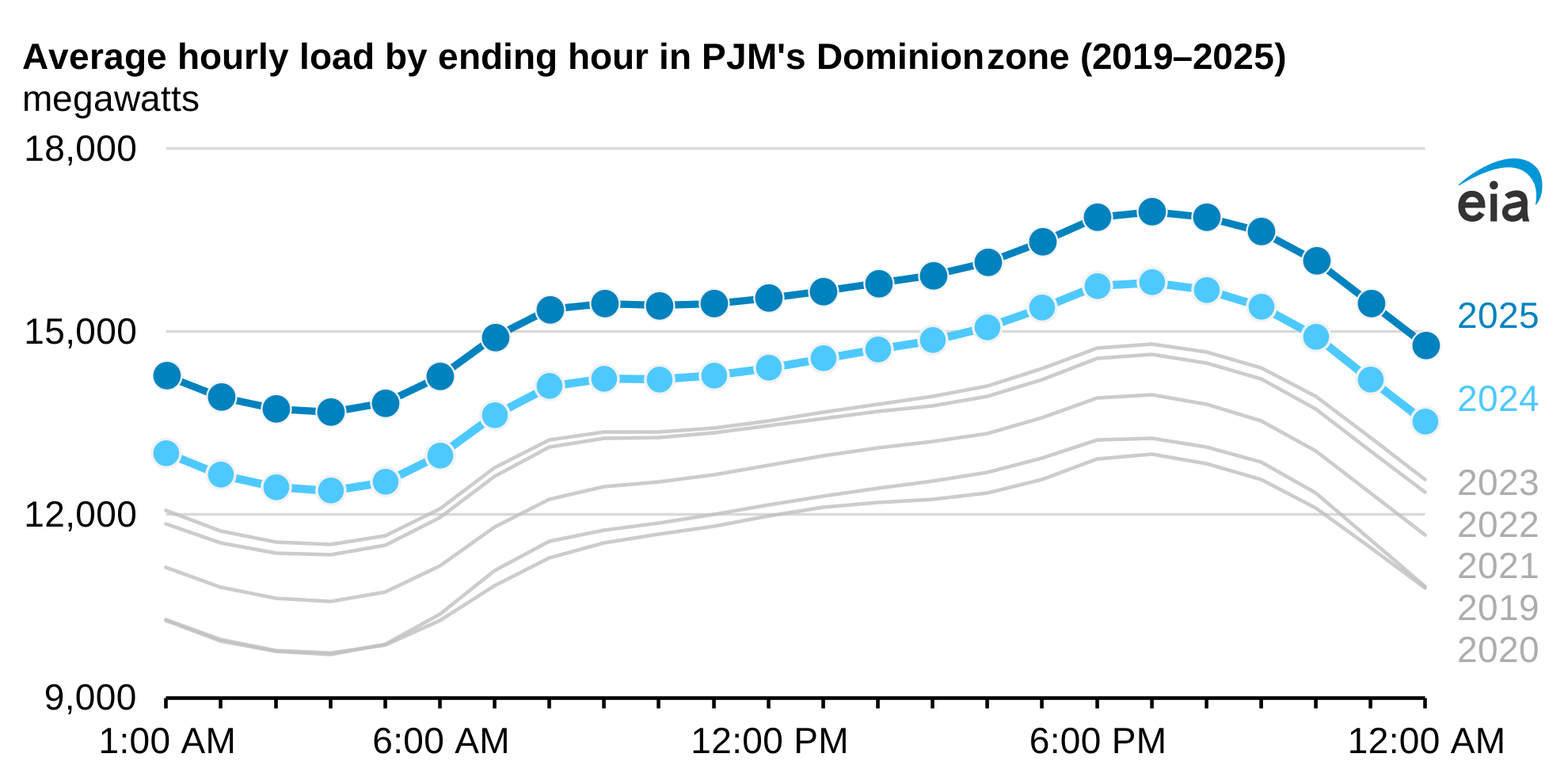
Data source: U.S. Energy Information Administration, EIA-930, Hourly Electric Grid Monitor
How peak demand is managed |









|